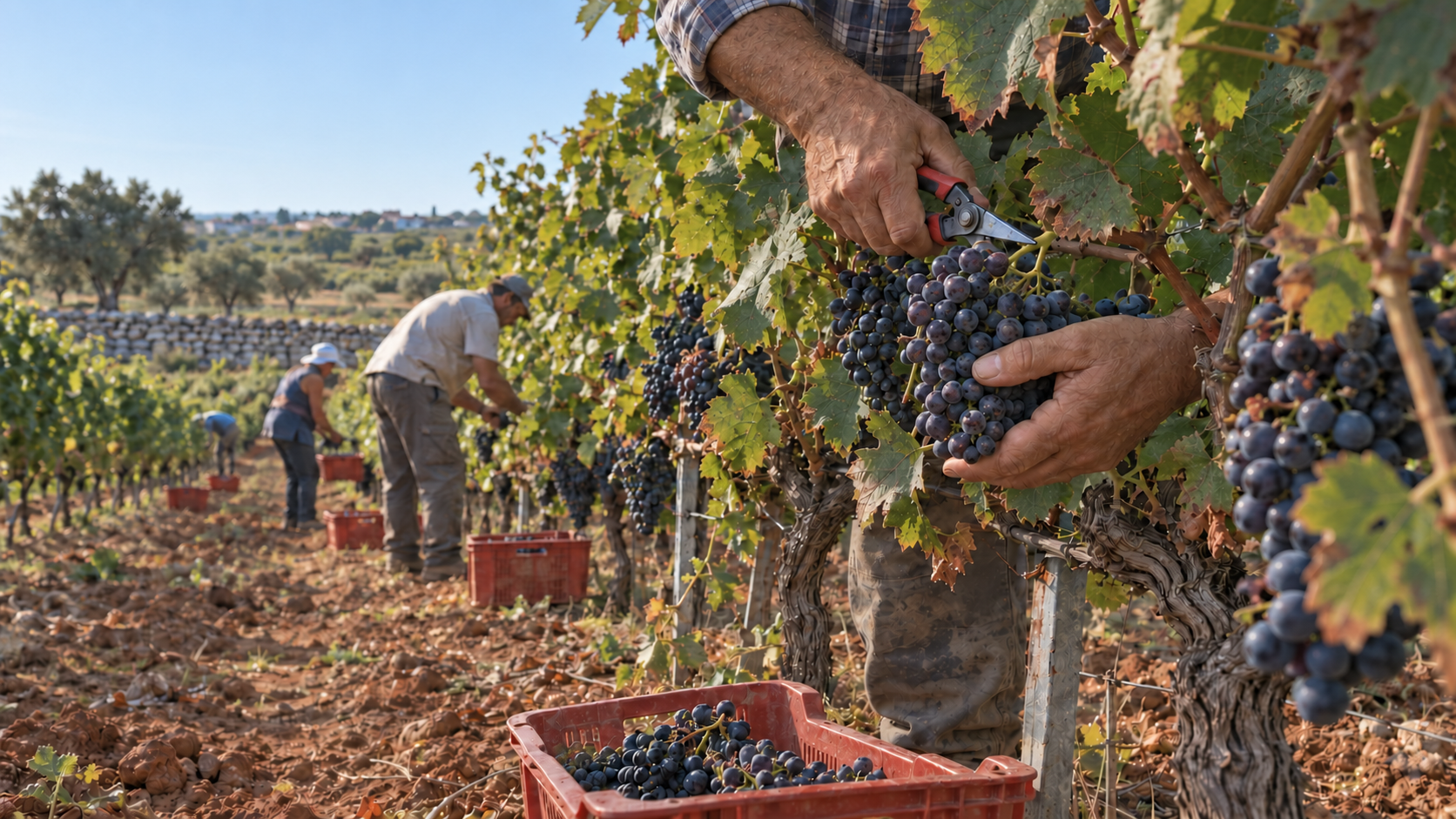
From a spring rich in rainfall to a hot, dry summer: a growing season that demanded care, timely decisions and a precise understanding of every vineyard. At the end of September, as the 2026 harvest draws to a close, Salento presents us with an intense and far from uniform vintage—one in which the climate set its own pace, making it even more important to observe the vines, interpret the individual parcels and choose the moment of harvest with precision.
The first indications from the winery are encouraging. The grapes arrived in sound condition, showing different characteristics according to variety, exposure and ripening period. It is still too early to describe the 2026 wines in full, but their profiles are already beginning to take shape.
A Spring of Rain, a Summer of Sun
The winter of 2025–2026 was mild and rainy. Spring, particularly during March and April, also brought abundant rainfall across much of Salento. This helped replenish the soil’s water reserves and supported the vegetative development of the vines, while also requiring close attention to canopy management and vineyard protection.
From May onwards, the situation began to change. The summer was very hot and generally dry, with limited rainfall distributed unevenly across the region. More than for isolated extremes, 2026 will be remembered for the persistence of the heat, which became particularly evident in August.
The water reserves accumulated during the preceding months helped many vineyards withstand this phase. Nevertheless, in the weeks leading up to harvest, it became essential to follow the development of each individual parcel closely. Sugar levels, acidity and skin ripeness do not always progress at the same pace, which is why a harvest can never be guided by the calendar alone.
Whites, Rosés and Reds: First Impressions
The white grapes, the first to be harvested, appear set to produce bright, well-defined wines. The heat encouraged relatively rapid ripening, while the careful choice of harvesting dates helped preserve freshness and aromatic identity. The emerging profiles combine ripe fruit, volume and a distinctly Mediterranean saline quality.
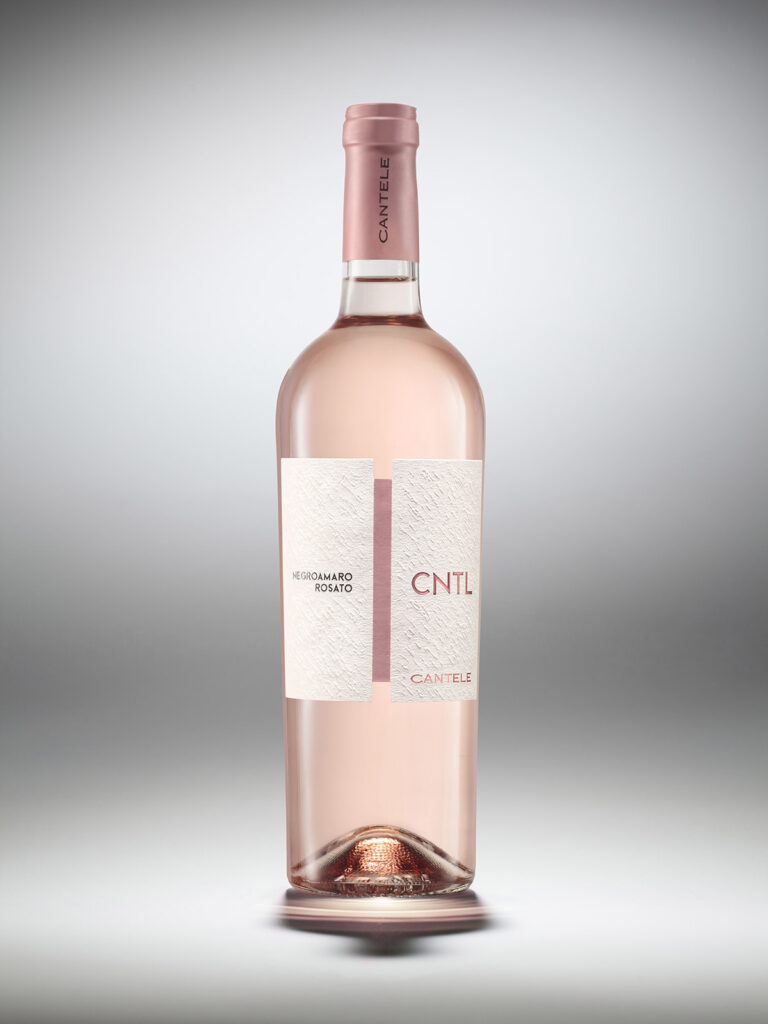
For the rosés, the focus was on achieving a balance between aromatic ripeness, acidity and delicacy of color. Negroamaro once again confirms its natural affinity for this style of wine. The first impressions reveal clear, precise fruit, a measured structure and a freshness that carries the palate without sacrificing the variety’s inherent depth.
The reds promise intensity without necessarily becoming heavy. The hot, dry summer encouraged concentration in the grapes and the ripening of the skins. In the winery, the task will be to interpret this richness through careful extraction, respecting the fruit while pursuing balance, elegance and drinkability.
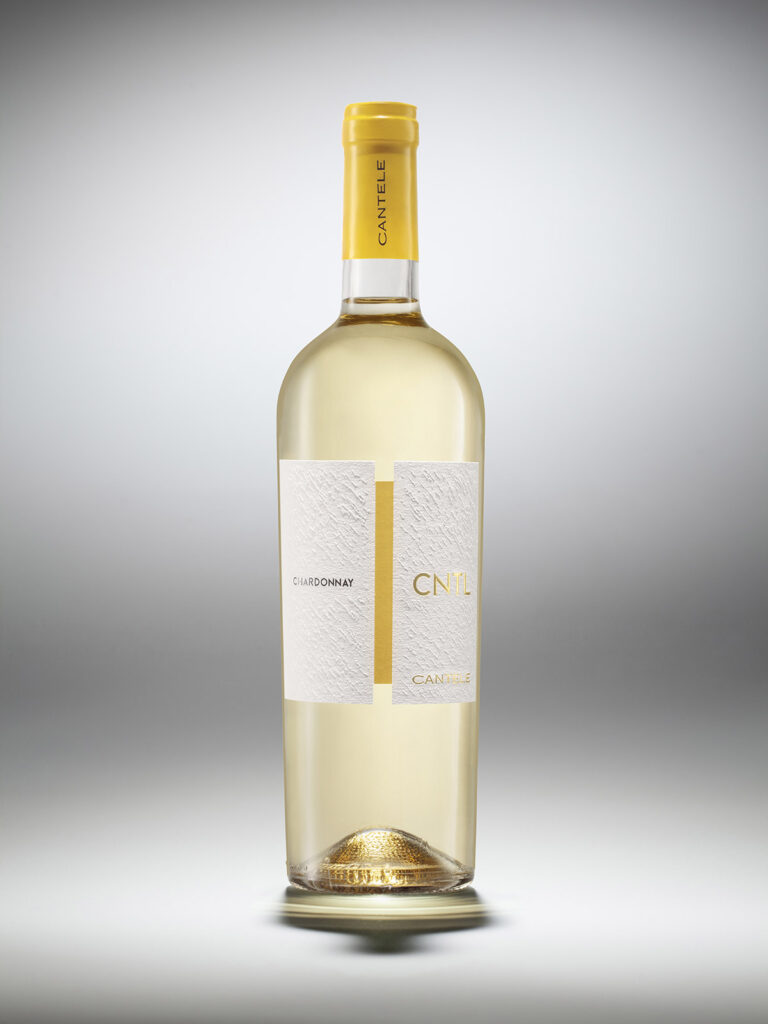
Chardonnay
Chardonnay was among the first varieties to reach maturity. In a warm vintage, its harvest requires particular attention: just a few days can significantly alter the relationship between aromatic expression, acidity and structure.
The 2026 grapes suggest wines with ripe, clearly defined fruit, recalling citrus, yellow-fleshed fruit and white flowers. On the palate, they may combine softness and tension, with a structure suited both to vinification in stainless steel and to more complex interpretations intended for aging.
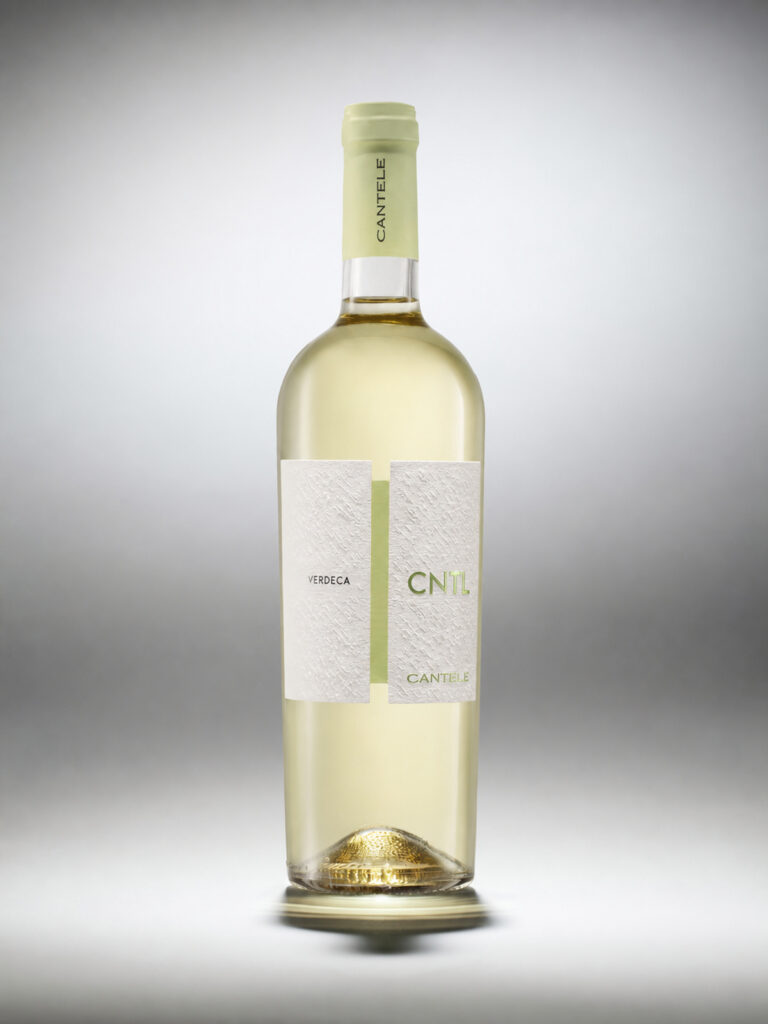
Verdeca
Verdeca offers a subtler interpretation of the Salento landscape. It is a grape variety that does not need to raise its voice, finding its identity in freshness, delicate aromas and sapidity.
The 2026 vintage appears particularly promising for its aromatic clarity. The first impressions recall citrus fruit, Mediterranean herbs and white-fleshed fruit, supported by a dry, saline finish. It is an essential and contemporary profile in which ripeness and freshness can find a convincing balance.
Negroamaro
Negroamaro faced the heat by once again demonstrating its profound affinity with this land. Its generous canopy helps shield the clusters from direct exposure, while its slower ripening cycle allows the skins and seeds to develop fully.
It is also the grape variety that best expresses the diversity of Salento wine. Harvested for rosé, it can offer fragrance, freshness and delicate red-fruit notes. When destined for red wines, its character changes: the color becomes deeper, the fruit darker, and spicy, balsamic and Mediterranean nuances gradually emerge.
The 2026 Negroamaro appears to have the potential to express intensity without sacrificing restraint, with present yet well-integrated tannins and a structure capable of developing over time.
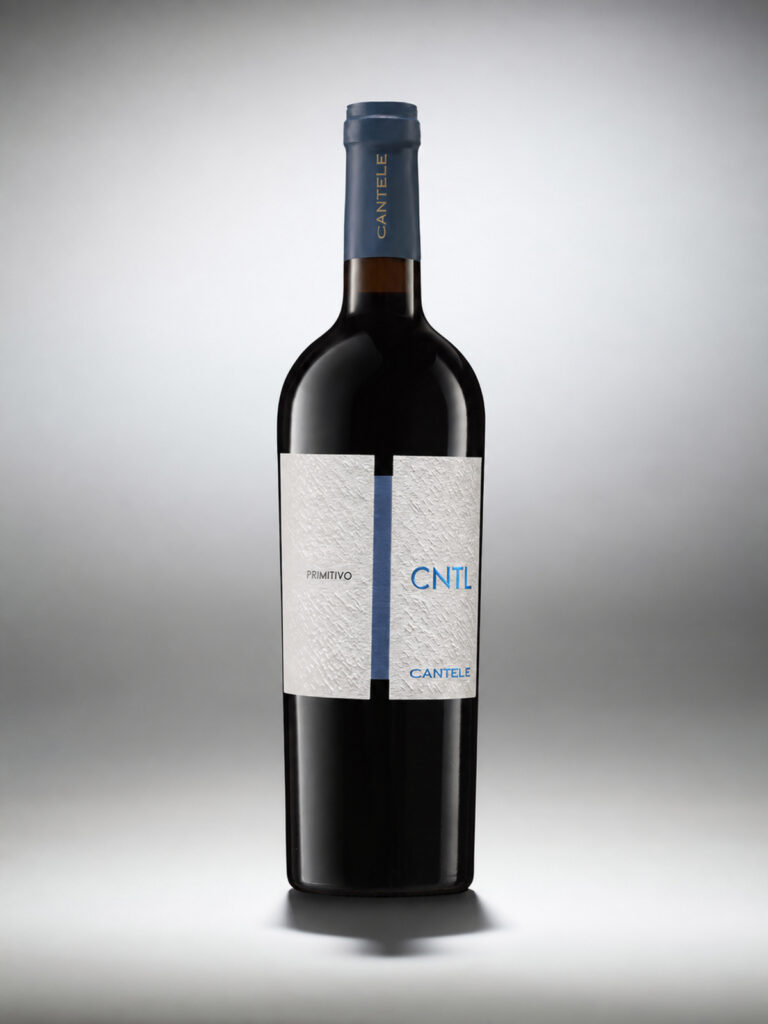
Primitivo
Primitivo is naturally at home in warm conditions, but its early-ripening nature makes timely decisions essential. Sugar accumulation can accelerate rapidly, and choosing the right moment to harvest becomes crucial in preventing richness from overwhelming freshness.
The 2026 grapes suggest generous yet balanced wines, with full fruit, notes of ripe cherry and plum, soft tannins and an enveloping texture. The aim is not to pursue power, but to preserve the character of the variety within a dynamic and harmonious wine.
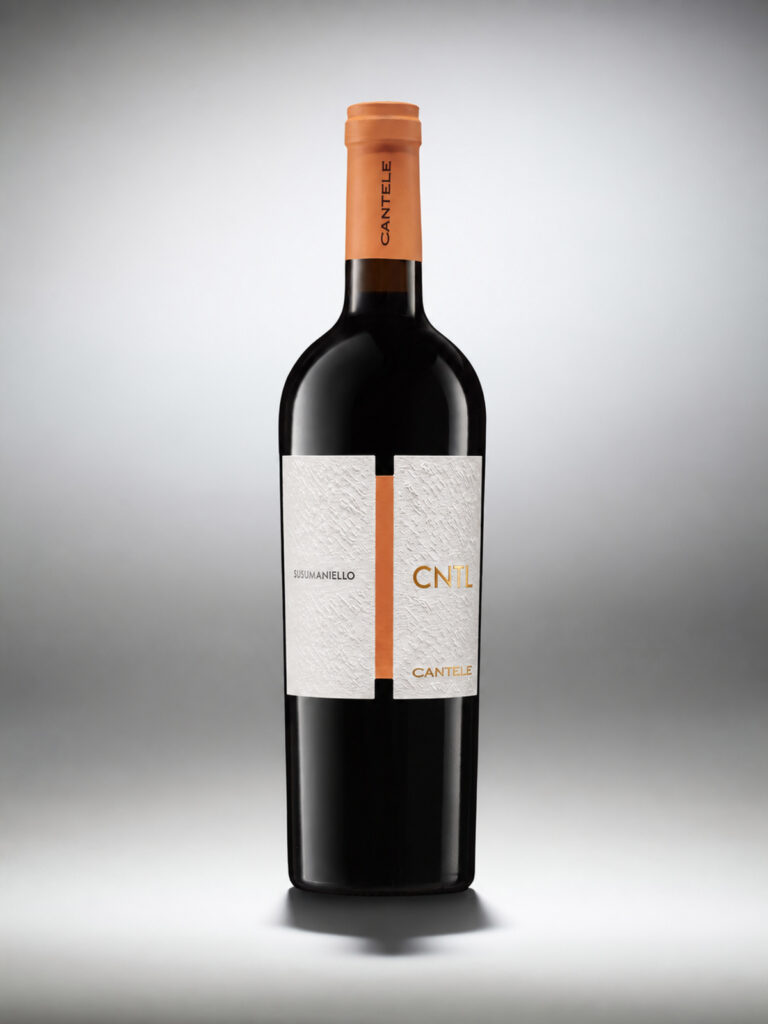
Susumaniello
Susumaniello remains one of the most distinctive expressions of Salento viticulture. Its color, acidity and aromatic richness make it capable of combining depth with energy.
The prospects for 2026 are particularly interesting: deep color, aromas of dark berries and violets, a spicy component and a natural freshness capable of giving the wine momentum. Its personality is already clearly defined, with a structure suited both to immediately approachable expressions and to wines capable of developing with age.
The Time of Wine
Every harvest tells a different story of balance between nature, experience and decision-making. The 2026 vintage was not one to be approached through routine: it demanded presence, timely choices and a precise knowledge of the vineyards.
The first results point to healthy grapes and wines capable of combining ripeness, vibrant fruit and a strong sense of place. Now begins a quieter, less visible phase—the time of fermentation and aging—during which the intuitions born among the vines will slowly take shape.
The harvest ends when the final cluster reaches the winery. But the true character of a vintage can only be understood when the wine begins to tell its story.