Some time ago, under a post about our Teresa Manara Chardonnay, a comment appeared that—I’ll admit—initially irritated me: “Why make wine with international grapes? We have a beautiful land and great native white varieties.” A fair observation. But also an incomplete one. Or rather, a partial view.
In recent years, consumer attention has rightly returned to native grape varieties, including whites—even in regions once seen as less suited to producing them.
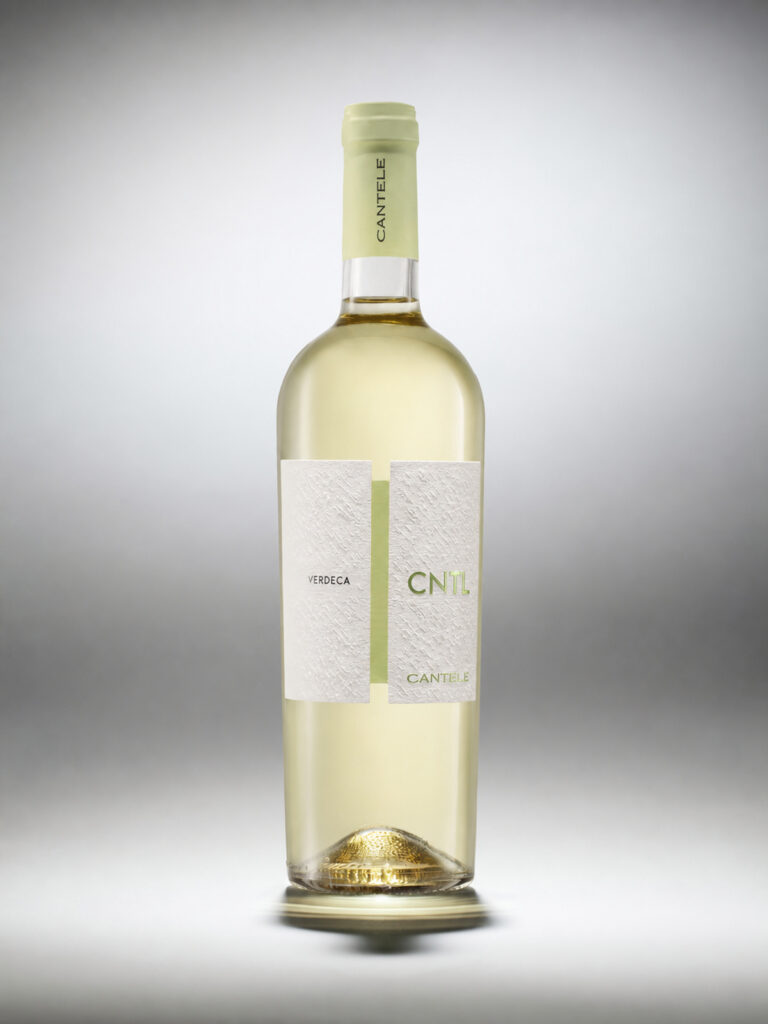
Verdeca, Malvasia Bianca, Fiano, Bombino, Bianco d’Alessano. And more generally, there is a beautiful, proud rediscovery of the varieties that have been telling the territory for centuries.
But there is a part of the recent history of Italian wine, that of the dynamic 1990s, that should be remembered with more respect. For without that, perhaps not even the indigenous grapes of the South would be where they are today.
In those years, offering a white wine from southern regions was not a given. The market was looking elsewhere, and expectations were low.
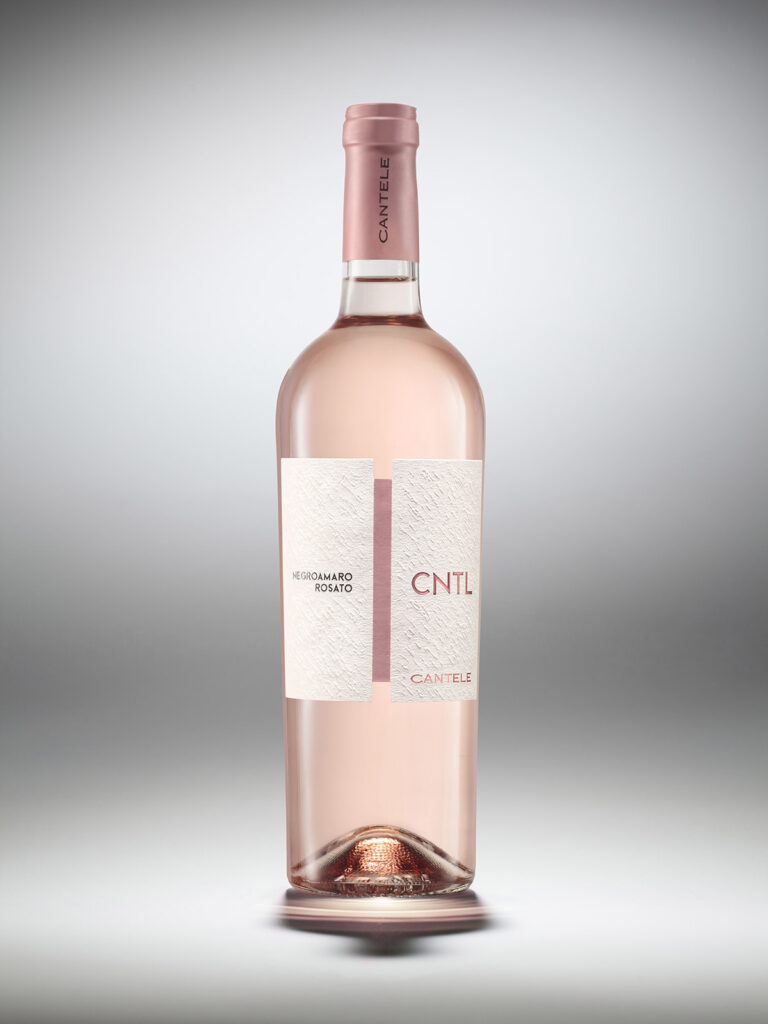
Some Apulian realities were beginning to make their mark, as early as the 1980s in fact, with reds of personality, especially based on Negroamaro, but for whites the road was still to be traced.
In that context, choosing to start from a well-known and internationally recognized grape variety was, first of all, a way to attract attention. Showing that you could do well with something familiar opened up the possibility of having everything else discovered, one step at a time.
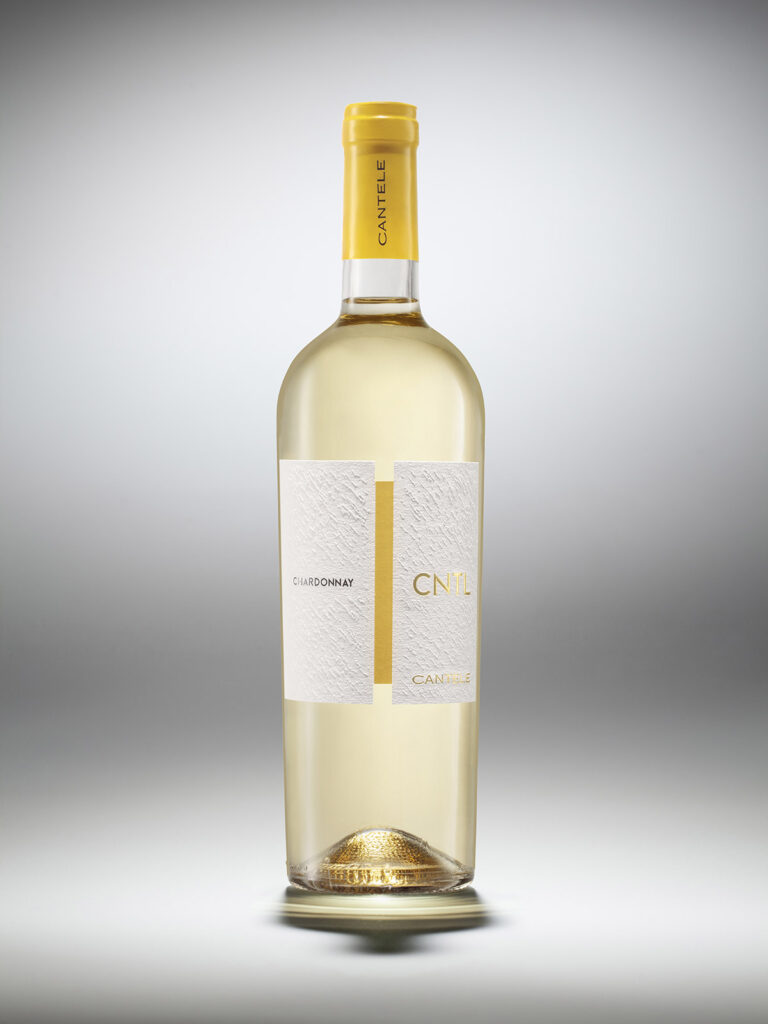
Chardonnay, for us, was that key. A French grape, yes. But in our case, it became a statement of possibility.
To show that in Salento—a land known for reds and rosés—we could craft a powerful white wine, barrel-fermented, with real identity. And when that wine, born in a land where the summer heat can take your breath away, won White Wine of the Year at the International Wine Challenge in London two years in a row—well, that had to mean something.
It wasn’t just a medal. It was a clear signal: the South wasn’t just about volume or rusticity. Its quality wasn’t limited to reds and rosés. Even a white wine, shaped by strong sun and dry winds, could aim high—and stand up to international standards. That attention, captured then through an international variety, helped pave the way for the rediscovery and celebration of the South’s native grapes.
Today, fortunately, everything has changed. The supply of southern whites is very rich, and the consumer is more curious, more prepared.
But that road, someone had to open it. So to the person who wrote that comment, and maybe a little to myself, I would like to say: yes, today we celebrate identity. But to do it with dignity, someone first had to gain attention, challenge prejudices, raise the bar.
And if today a French tourist tastes our Chardonnay and drives home with a car full of bottles, I still believe that choice we made years ago, made perfect sense.